Teachers talking to teachers
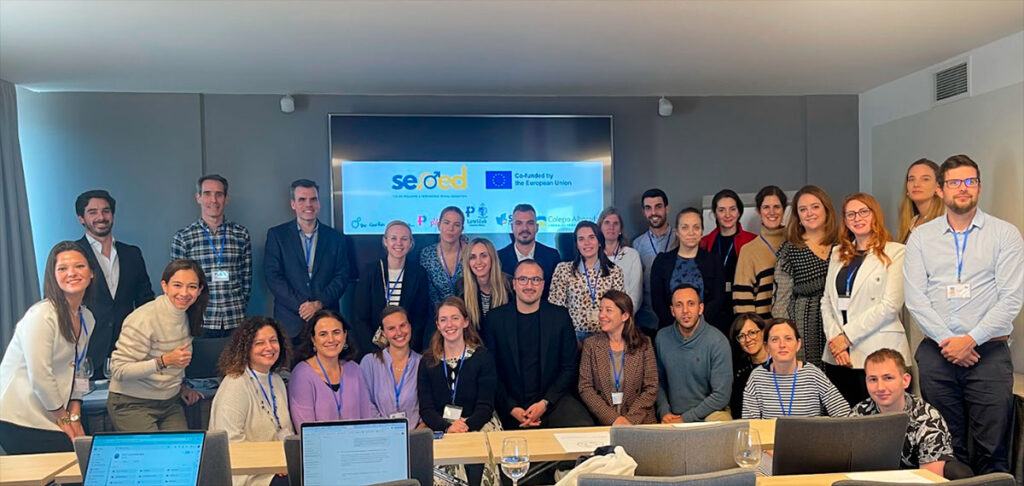
The Erasmus+ project «Promoting Responsible Citizenship and Inclusion in the Classroom Through Sexual Education (FUNSEED)» hosted a Peer Learning activity in Zagreb, Croatia, on March 11-12, 2024, bringing together teachers from Spain, Croatia, and the Czech Republic.
The event focused on identifying the needs and gaps in sexual education for students, teachers, and parents while also collecting best practices. Through discussions and experience-sharing, participants explored the challenges faced in delivering sexual education and worked towards developing reliable materials and training programs to better equip educators in addressing these issues.
This activity has sought, with the participation of people from different parts of Europe and with different backgrounds, to obtain a broad and accurate view of the current situation. This event was also a valuable opportunity to establish links and networks between countries and institutions.
For its fruitful realization, a previous reflection on some specific questions prepared by the team of Dr. Carlos Chiclana, part of this project and facilitator of the peer-learning, was raised. Although most of the project participants are not experts in mental health, from their respective fields they contributed valuable reflections based on their knowledge of their students as teachers.
A peer-learning is a two-way, reciprocal learning activity. Peer-learning should be mutually beneficial and involve the exchange of knowledge, ideas and experiences between participants. It can be described as a way of moving from independent to interdependent or mutual learning (Boud, 1988).
Collaboration and Reflection for Change
A significant aspect of the project’s approach is rooted in collaboration and the exchange of diverse perspectives, as well as the sharing of practical experiences from different educational contexts.
To ensure that the activities align with the real needs of educators, a series of structured sessions were planned, focusing on identifying the challenges teachers face and gathering feedback on the types of tools, training, and support needed. Through a collaborative and participatory approach, the goal is to co-create practical solutions that meet the diverse requirements of educators, helping them improve the delivery of sexual education within their classrooms.
Practical Methodology for Effective Learning
- Block 1 focused on the participants’ questions and concerns regarding sexual education in their specific contexts, whether as educators, parents, or community members.
- Block 2 aimed to clarify the technical knowledge that would be provided in the program, ensuring that the content delivered would be both relevant and impactful for teachers and students alike.
- Block 3 centered on the practical skills and tools required for teaching sexual education effectively, with a focus on identifying what has already been successful in their respective classrooms.
- Block 4 offered a space for participants to present and discuss best practices, sharing successful experiences and lessons learned about how best to reach students and communicate effectively about sexual education.
Each session also employed collaborative work, where participants not only worked within their groups but also interacted with colleagues from different countries, enriching the experience and fostering an international exchange of ideas and solutions. The sessions were facilitated in English, with translation tools available to ensure inclusivity and clear communication.
Outcomes and Next Steps
The peer-learning activity’s ultimate goal was to create a comprehensive report that captures the collective insights, challenges, and recommendations gathered during the event. This report, entitled “Teachers talking to teachers about sexual education – Needs, gaps & collection of best practices,” will serve as a valuable resource for future training programs and educational materials.
By involving teachers directly in the process, the project ensures that the tools and strategies developed are closely aligned with the realities of the classroom. As the project moves forward, the collected feedback will guide the creation of training modules and educational resources aimed at equipping educators with the skills and knowledge they need to support their students in navigating sensitive topics related to sexual education.
The Peer Learning activity marked just the beginning of a larger collaborative effort to empower educators, foster responsible citizenship, and create more inclusive classrooms through a well-informed, responsive, and practical approach to sexual education.

 Add www.SE-ED.eu to your Home Screen to use it like an APP — Just use your browser’s «Share» button (iPhone) or menu option.